
A wooden climbing frame looks right in a park. It blends with trees, feels warm instead of metallic and has a natural look that plastic rarely matches. But wood outdoors in India faces monsoon rain, termites, strong sun and heavy use, and cheap timber gives up quickly. If you’re considering wooden playground equipment for parks in India, here’s what to check before you commit.
Why Parks Choose Wood
- Natural look. It sits comfortably among trees and landscaping.
- Cooler to touch. Compared with bare metal, wood stays more comfortable in strong sun.
- Good for nature-themed play. Log climbers, balance beams, treehouse-style towers and stepping stumps suit parks well.
- Sturdy, solid feel. Thick timber looks and feels substantial.
- Easy to repair. Individual boards and beams can often be replaced.
What Goes Wrong With Poor Wood
Untreated or low-grade timber outdoors fails in predictable ways:
- Rot. Constant dampness at post bases causes decay from the ground up.
- Termites. A serious problem across most of India.
- Cracking and splitting. Repeated wet and dry cycles open cracks that can pinch fingers or cause splinters.
- Warping. Boards twist and gaps appear in decks and steps.
- Fading and greying. Sun strips colour and leaves a rough surface.
None of these are visible on delivery day. They show up after a monsoon or two.
What Makes Wooden Equipment Last
The right timber. Naturally durable hardwoods and properly treated timber hold up far better than untreated softwood. Ask exactly what species and grade are used, not just “premium wood.”
Proper treatment. Pressure treatment or equivalent preservation protects against rot and termites. Ask what is used, and confirm it is considered safe for children’s contact.
Smart design. Posts should sit on metal base brackets or concrete footings, not buried directly in soil. Raised bases keep wood out of standing water.
Good joinery. Strong bolts, stainless or galvanised fittings and well-fitted joints matter more than appearance.
Smooth finishing. Sanded edges, rounded corners and sealed surfaces reduce splinters.
Weather-ready coating. A quality stain or sealant protects against moisture and UV, and needs renewing periodically.
Combining Wood and Metal
Many of the best designs use both. A galvanised steel frame handles the load-bearing work, while wooden panels, steps and decks add the natural look. This hybrid approach often lasts longer than all-timber designs and costs less to maintain.
Safety Points Specific to Wood
- Splinters. Check surfaces for rough patches, especially on slides, handrails and steps.
- Gaps. Spaces between boards shouldn’t trap fingers or heads.
- Fasteners. Bolt heads should be recessed or capped.
- Treatment safety. Confirm that preservatives and coatings are suitable for play equipment.
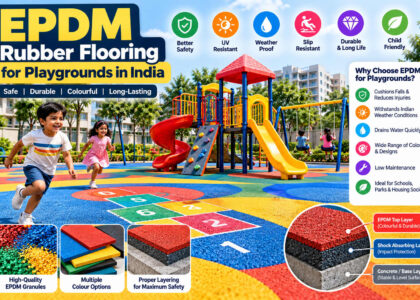
- Fall surfaces. Rubber tiles, sand or wood-chip surfacing under all equipment.
- Regular inspection. Cracks and loose joints can appear without warning.
Fitting Wood to Your Park
Wood works best in certain settings:
- Tree-covered parks and nature trails
- Resorts, eco-parks and heritage spaces
- Schools and community gardens with a natural theme
- Large landscaped parks where the look matters
It’s less ideal for very wet areas with poor drainage, or sites where maintenance is unlikely. In those places, metal or FRP may suit better.
Maintenance Plan
Wood needs more care than other materials, so plan it in advance:
- Inspect monthly for cracks, loose bolts and rough patches
- Re-seal or re-stain every one to two years, depending on exposure
- Keep vegetation and soil away from timber bases
- Replace damaged boards promptly
- Check for termite signs, particularly near the ground
Skipped maintenance is the main reason wooden equipment looks tired within a few years.
Questions for a Supplier
- What timber species and grade do you use?
- What preservative treatment is applied, and is it child-safe?
- How are posts protected from ground moisture?
- What does the warranty cover, including rot and termites?
- Can I visit a park where your wooden equipment is a few years old?
- What maintenance schedule do you recommend?
Specific answers reveal real experience.
Budget and Value
Wood can cost more upfront and more over time because of upkeep. But in the right setting its look and feel add real value. Compare cost over the full life of the equipment, including re-sealing and part replacement, instead of just the first invoice.
Choosing the Right Partner
Go Green Play Equipment offers outdoor playground products, and discussing timber, metal and hybrid options at the planning stage helps you choose what suits your park. If the same project includes an outdoor fitness zone, Telangana Corporate Services can help with that side of your plan.
Final Thought
Wooden playground equipment can be a beautiful, durable choice if the timber is right, the treatment is proper and maintenance is planned. Ask direct questions, inspect real installations and choose a supplier who stands behind the product. A good wooden playground should look better in a park every year, not worse.